Overview
TFT LCD panel is the core device of liquid crystal display, it is composed of two pieces of glass, the upper layer of glass colour filter (CF), cloth with transparent electrodes; the middle is the crystal filling layer; the lower glass is with signal electrodes, alignment electrodes, thin film transistors of the substrate glass, (ITO glass).
The production process of TFT LCD panel is still relatively complex, and any changes to it must be made with care.
Thinness
You may need a thinner TFT LCD module, it may be a design requirement or it may be necessary due to structural constraints. However, TFT modules require backlight modules and polarisers which also take up a certain thickness. In as thin as possible after the choice of backlight and polarizer, if still can not meet your requirements, then we can also rely on the existing program, TFT LCD panel for thinning, such as a single piece of glass 0.5mm, we can thin down to 0.2-0.3mm.
You know the TFT LCD panel is composed of two pieces of glass, the middle layer is filled with liquid crystal, so the original 1.0mm LCD panel, we can thin it down to 0.4-0.6mm, which is very valuable for the overall thickness.
- Advantages: thinner and lighter
- Disadvantages: lower yield, higher cost
Cutting
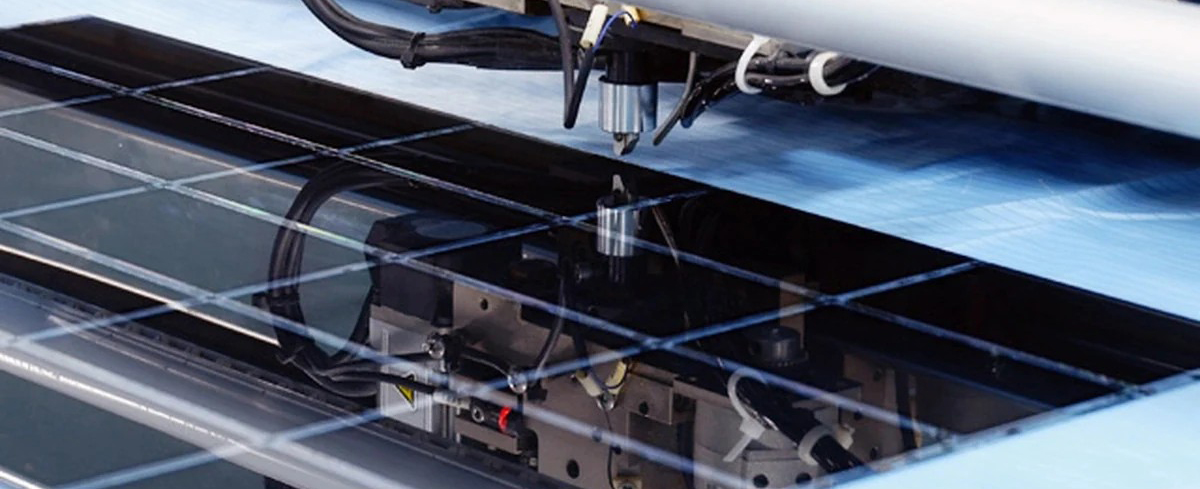
We can cut an off-the-shelf TFT LCD panel and change its original shape, for example, from a 16:9 screen to a 16:6 screen, from a 4:3 screen to a 4:2 screen, from a 3:2 screen to a 1:1 square. And so on and so forth. But not all LCD panels are suitable for cutting, it depends on the way the LCD panel is oriented, the circuit design, so its solution formation is something we need to evaluate and experiment with.
- Advantages: can do some special resolution and size, suitable to make square or long strip
- Disadvantages: will be reduce yield, higher cost, not all products are suitable, need to match the ITO orientation and driving method of the LCD panel
Customize the TFT LCD panel
The majority of TFT LCD panels are fixed in size and resolution, but if you need a custom size or special resolution that is not available on the market, we can make an assessment. We can offer solutions to meet your requirements to make your product unique in the market. However, customising a brand new LCD screen requires high MOQ's and expensive tooling costs.
For larger orders, we will determine which generation line is most economical to produce on based on the size of the LCD panel. We will also consider tooling costs, MOQ's and unit prices.
- Advantages: A unique product and a period of product protection during which no one can use your customised panel
- Disadvantages: High tooling costs and very high MOQ requirements