Request a Quote

Constant Current LED Driver Technology

How constant current LED drivers power LED modules and light engines, and how to match current, voltage and power to choose the right driver.

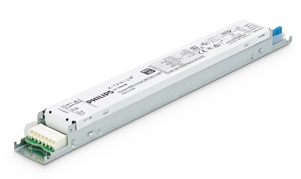
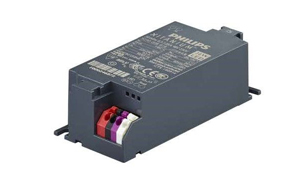
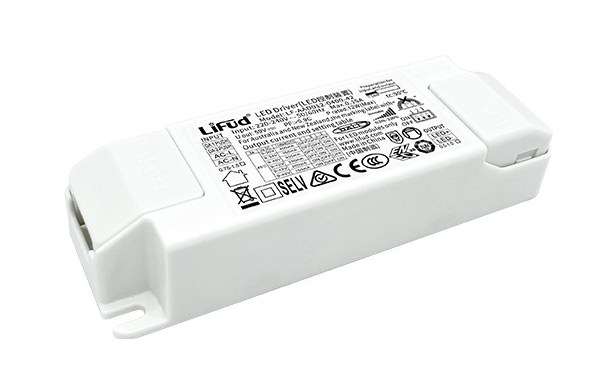
Compact constant current LED driver

Overview

What is a constant current LED driver?

A constant current (CC) LED driver converts mains power into a regulated DC supply that holds the current through the LEDs at a fixed value, such as 350mA, 700mA or 1050mA. The output voltage automatically adjusts to whatever the connected LEDs need, within the driver's rated voltage window.

LEDs are current-driven devices: their brightness, colour and lifetime depend on the current flowing through them, and a small change in voltage can cause a large change in current. Holding the current constant keeps light output stable and protects the LEDs. Our compact, non-dimmable CC drivers from Lifud, Snappy, LTECH and Philips Xitanium cover 4W to 60W, with output currents from 150mA to 1550mA.

  • Stable light output and colour from regulated current
  • Protects LEDs from over-current and thermal runaway
  • Compact housings for downlights, panels and luminaires
  • Flicker-free output on many models
  • Short circuit and over-current protection
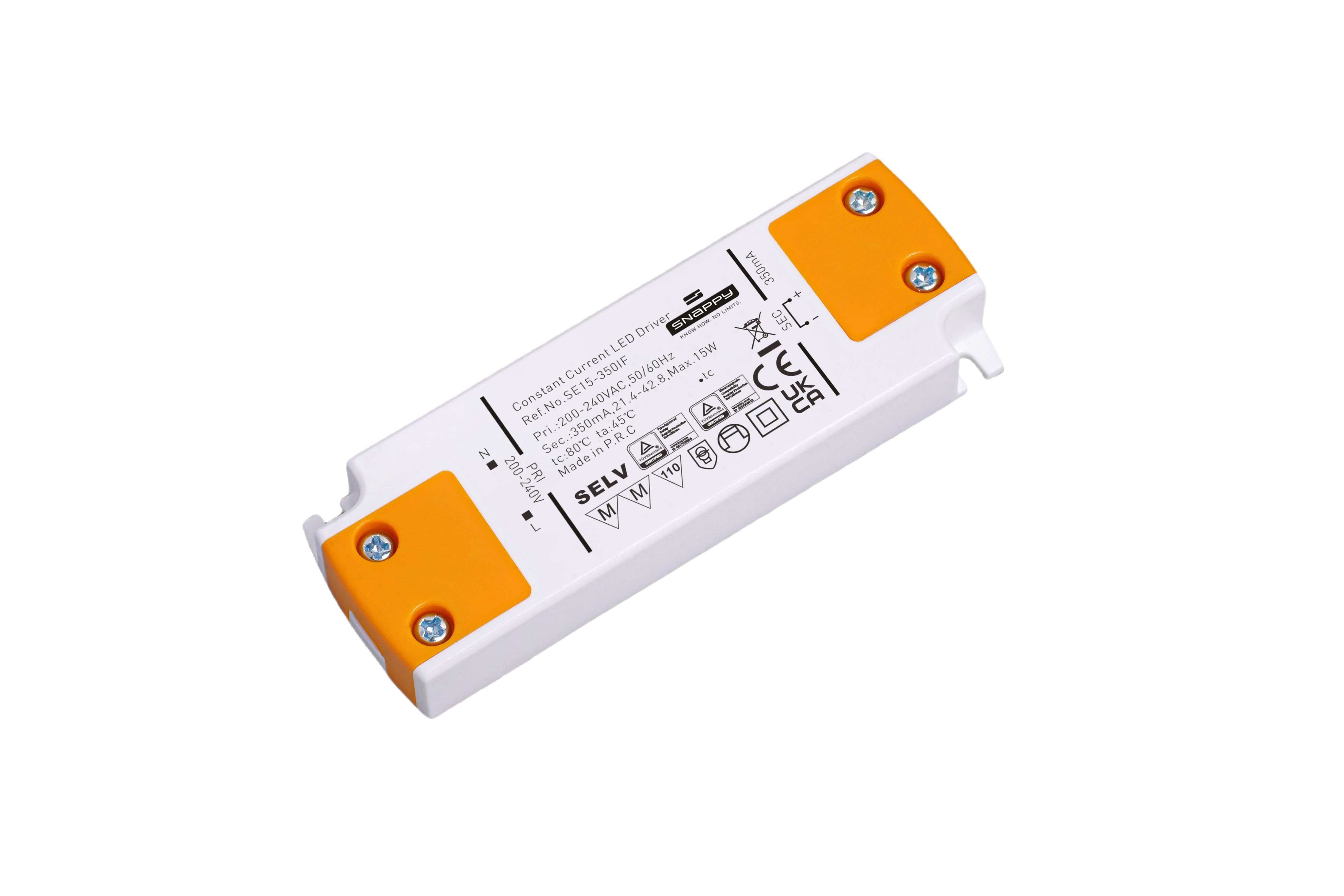
Compact CC drivers at a glance

  • Brands: Lifud, Snappy, LTECH, Philips
  • Power: 4W – 60W
  • Output current: 150mA – 1550mA
  • Output voltage: 3V – 50VDC (model dependent)
  • Input: 100–240VAC or 220–240VAC
  • Dimming: Non-dimmable, fixed output
  • Connection: Push, screw or flying leads
  • Protection: Short circuit, over current
Request a Quote Technical Enquiry

The technology

Current, voltage window and power

Every CC driver has three key output ratings: the fixed output current, the output voltage window it can supply while holding that current, and the maximum power.

When LEDs are connected in series, the same current flows through each one and their forward voltages add up. If each LED has a forward voltage of around 3V, ten in series need about 30V. That total must fall inside the driver's voltage window, for example 25 to 42V.

The power drawn is simply current x voltage: 1050mA at 30V is about 31.5W, which must be within the driver's rated power.

Constant current driver supplying a series LED string, with the string voltage inside the driver output voltage window Series LED string on a CC driver Mains AC in CC driver 1050mA fixed 10 LEDs x ~3V = ~30V The same 1050mA flows through every LED Driver output voltage window 25V 42V ~30V string: inside window Power = 1.05A x 30V = approx. 31.5W (within driver rating)
Simplified illustration: the driver fixes the current, the LED string sets the voltage, and that voltage must sit inside the driver's output window.

CC vs CV

Constant current or constant voltage?

The LED product you are powering decides which type of driver you need.

CharacteristicConstant current (CC)Constant voltage (CV)
What is fixedOutput current, e.g. 350mA, 700mA, 1050mAOutput voltage, e.g. 12V or 24V
What variesOutput voltage, within the windowOutput current, up to the maximum
Use withLED modules, light engines, COBs and high-power LEDs without current controlLED strip, chain modules and products with built-in current control
WiringLEDs normally in seriesLoads normally in parallel
Typical applicationsDownlights, panels, spotlights, luminairesStrip lighting, signage, cove lighting

Powering LED strip? See our compact constant voltage LED drivers.

Our range

Compact CC drivers compared

Choose by power, output current and the voltage of your LED load.

SeriesPowerOutput currentOutput voltageConnection
SNP4 (miniature)4W350 / 500 / 700mA3 – 12VDCFlying leads, IP66
SP10 (miniature)10W350 / 500 / 700mA4 – 29VDCFlying leads
Snappy SE1212W300 – 350mA14 – 40VDCScrew terminals
Snappy SE1515W300 – 700mA10.7 – 50VDCScrew terminals
LTECH SN1515W150 – 350mA9 – 42VDCPush-in terminals
Philips Xitanium mini10 – 48W350 – 1050mASee datasheetPush terminals
Lifud LF-GIF04018.75 – 44.1W750 – 1050mA25 – 42VDCPush terminals
Lifud LF-GIF060YSUp to 60W1350 – 1550mA30 – 40VDCPush terminals

Benefits

Advantages of compact CC drivers

Why a matched constant current driver is the heart of a reliable LED luminaire.

Stable light output

Regulated current keeps brightness and colour consistent as LEDs warm up and supply voltage varies.

Longer LED life

Running LEDs at their rated current prevents over-driving and thermal runaway, protecting lifetime.

Compact size

Small, slim housings fit inside downlights, panels and track heads, or in the ceiling void beside them.

Flicker free

Low-ripple output on many models gives comfortable light with no visible flicker or camera banding.

Built-in protection

Short circuit and over-current protection as standard, with over-temperature protection on Xitanium drivers.
Wide choice

4W to 60W and 150mA to 1550mA from four leading brands, to match almost any LED module or light engine.

Selection guide

Choosing a CC driver in five steps

  1. Find the LED current from the LED module or light engine datasheet, e.g. 700mA.
  2. Add up the forward voltage of all LEDs or modules connected in series.
  3. Check the voltage window: the total must sit within the driver's output range, ideally not at either end.
  4. Check the power: current x voltage must be within the driver's rating.
  5. Choose the format: input voltage, size, connection type, IP rating and whether dimming is needed.

Worked example

A downlight light engine rated at 700mA with a forward voltage of 33V:

  • Required current: 700mA
  • Load voltage: 33V
  • Power: 0.7A x 33V = 23.1W
  • Suitable driver: 700mA, window covering 33V, 25W+

Need dimming? See our DALI and dimmable options:

Ask an Engineer
4–60W
Power range
150–1550mA
Output currents
IP66
Miniature SNP4
4
Leading brands

Where compact CC drivers are used

Compact CC drivers power LED luminaires across commercial and residential lighting.

Downlights

Remote or integrated drivers for recessed and surface downlights.

LED panels

Slim drivers for edge-lit and back-lit panel luminaires.

Retail spotlights

Track and spot luminaires using COB and high-power LEDs.

Light engines

Circular, square and linear light engines in new luminaires.

Display & cabinets

Miniature drivers for display cabinets, furniture and small fittings.

Retrofit & replacement

Replacing failed drivers in existing LED luminaires.

Explore

Explore LED drivers

Browse our constant current drivers and related ranges.

FAQ

CC driver questions

A constant current (CC) driver holds the current at a fixed value, such as 350mA or 700mA, and lets the output voltage vary to suit the LEDs. It is used for LED modules, light engines and COBs without their own current control. A constant voltage (CV) driver holds a fixed voltage, such as 12V or 24V, and is used for LED strip and modules that have built-in resistors or current regulators.

Match the driver's output current to the current your LEDs are rated for, check that the total forward voltage of the LEDs falls inside the driver's output voltage window, and make sure the power (current x voltage) is within the driver's rating. Then choose the input voltage, connection type, size and IP rating to suit the luminaire.

The output voltage window is the range of voltages a CC driver can supply while holding its rated current, for example 25 to 42VDC. The combined forward voltage of the LEDs connected to it must sit within this range, ideally not right at either end.

Series connection is preferred, because the same current flows through every LED and each one runs at exactly the rated current. Parallel strings can share current unevenly unless the LED module is designed for it, so follow the module manufacturer's guidance.

A flicker-free driver supplies a smooth DC current with very little ripple, so the light output does not pulse. This improves visual comfort, avoids stroboscopic effects and prevents banding when the light is filmed or photographed.

Need help matching a driver?

Send us your LED module or light engine details and our team will recommend a matched constant current driver.

Talk to Our Engineers