Request a Quote

Aluminium Profile Technology

How aluminium profiles house, cool and protect LED strip, and how to choose the right profile and diffuser for a smooth, even line of light.

Aluminium profiles for LED strip

Overview

What is an aluminium profile?

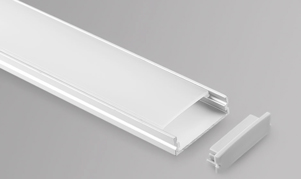
An aluminium profile is an extruded aluminium channel that LED strip is stuck into. The aluminium body acts as a heat sink, drawing heat away from the LEDs, while a clip-in or slide-in diffuser covers the strip to soften the light and protect it from dust and knocks. End caps close off each end and mounting clips or brackets hold the profile in place.

Crucial to the performance of linear LED fixtures, our aluminium extrusions are compatible with a wide range of LED strip in a choice of colours and white CCTs. They also improve heat dissipation to manage LED strip temperature and extend LED lifetime.

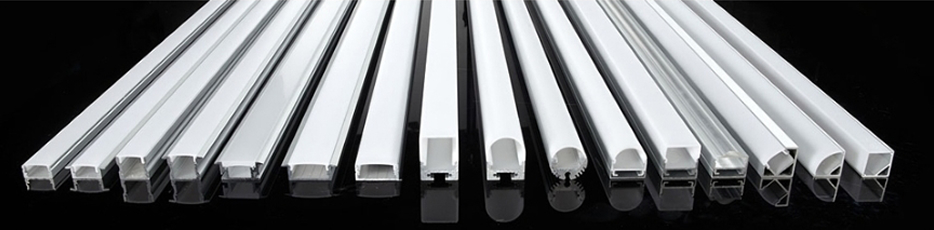
We offer several types of aluminium channel to suit different applications, including commercial, cabinet display, office and home lighting. Our range covers surface mount, recessed, corner, round and suspended / pendant profiles for low-voltage LED strip, each with a choice of diffuser from clear to opal and milky finishes.

  • Heat dissipation for longer LED life and stable light output
  • Mechanical protection for the LED strip
  • Diffusers that soften the light and hide individual LEDs
  • A straight, neat, professional finish
  • Surface, recessed, corner, round and suspended mounting
Profile range at a glance

  • Material: Extruded aluminium
  • For: Low-voltage LED strip
  • Mounting: Surface, recessed, corner
  • Also: Round and suspended
  • Diffusers: Clear, frosted, opal, milky
  • Transmission: 50% – 95%
  • Fixing: Adhesive or clips
Request a Quote Technical Enquiry

Diffusers

Choosing a diffuser

The diffuser is the cover that clips or slides into the profile over the LED strip. It sets both how much light comes out and how smooth that light looks.

A clear diffuser lets almost all of the light through but shows each LED as a bright dot. Frosted, opal and milky diffusers scatter the light so the dots blend into a continuous line, at the cost of some output.

As a rule, choose a clearer diffuser where the profile is out of sight and maximum brightness matters, and a more diffusing one where the profile is in direct view.

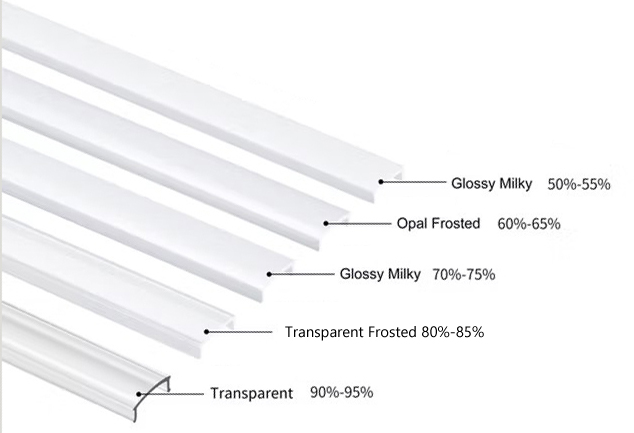
Aluminium profile diffuser options with light transmission percentages
Diffuser options and typical light transmission, from transparent (90 – 95%) to glossy milky (50 – 55%).

Diffuser comparison

Light output against diffusion

The more a diffuser scatters the light, the smoother the line looks, and the less light gets through.

DiffuserLight transmissionAppearanceBest for
Transparent90 – 95%Clear, individual LEDs visibleMaximum output where the profile is hidden from view
Transparent frosted80 – 85%Lightly softened, LEDs partly visibleTask and under-cabinet lighting needing high output
Glossy milky70 – 75%Soft, mostly even lineGeneral lighting with a good balance of output and finish
Opal frosted60 – 65%Smooth, even line with a matt finishVisible profiles in shelving, furniture and displays
Glossy milky (dense)50 – 55%Fully diffused, continuous lineDecorative lighting in direct view where a dot-free line matters most

Profile types

Choosing a profile

Match the profile shape to how and where it will be mounted.

Surface mount

Fixes directly onto any flat surface with adhesive or clips. The simplest option for most installations.

Recessed

Sits in a routed slot or linear recess so the diffuser finishes flush with the surface for a seamless look.

Corner

Right-angled profile for internal corners, aiming the light at an angle for directional lighting.

Round

Round lens for wide-angle illumination, suited to under-cabinet and display applications.

Suspended / pendant

Hung over a work or utility surface on suspension wires for linear pendant lighting.

Heat dissipation

Every profile type draws heat away from the strip, helping maintain light output and lifetime, especially with higher-power strips.

Design guide

Getting a smooth line of light

  • Check the strip width fits inside the profile channel.
  • Choose the diffuser for the viewing position: clearer where the profile is hidden, opal or milky where it is in direct view.
  • Use a deeper profile to increase the distance between the LEDs and the diffuser for a more even line.
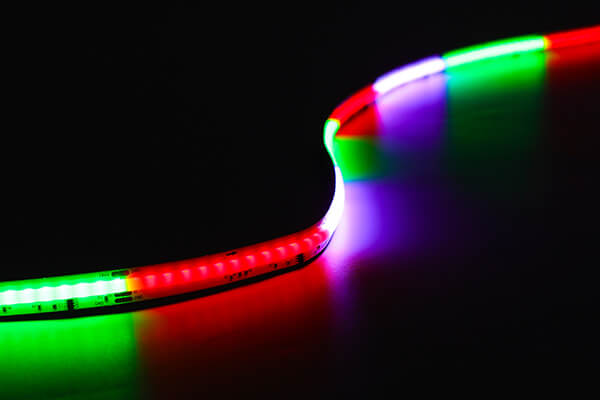
  • Pair with a high-density or COB strip for a continuous, dot-free appearance.
  • Allow for the diffuser loss when choosing strip output: a 60% diffuser needs a brighter strip than a 90% one for the same result.
  • Cut profile and diffuser to the same length and finish with end caps.

Output example

An LED strip rated at 1000lm per metre:

  • Transparent (approx. 90%): approx. 900lm/m
  • Opal frosted (approx. 60%): approx. 600lm/m
  • Glossy milky (approx. 50%): approx. 500lm/m

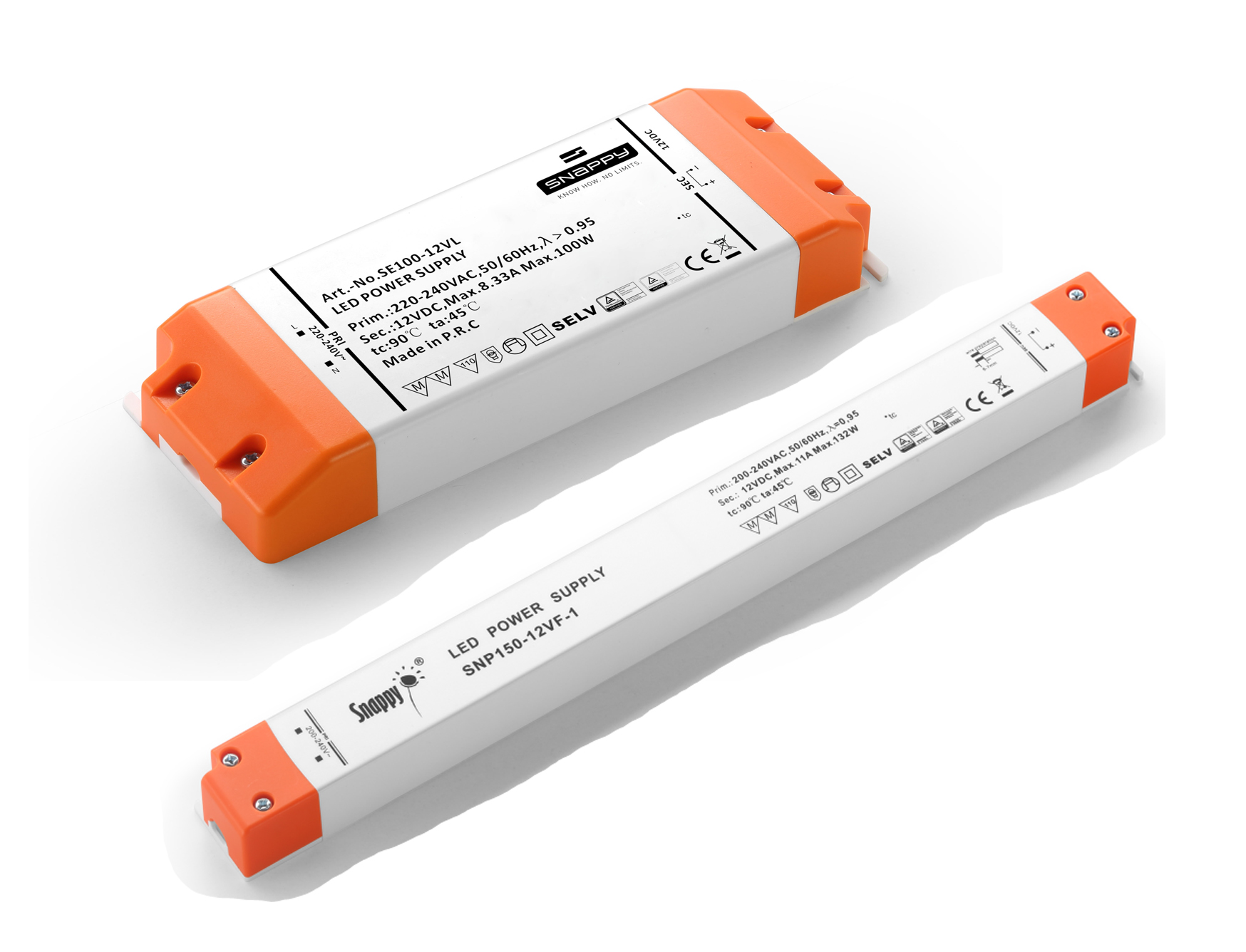
We supply the LED strip and drivers to complete your installation:

Ask an Engineer
5
Profile types
5
Diffuser grades
95%
Max light transmission
Al
Extruded aluminium body

Where aluminium profiles excel

Profiles turn LED strip into a finished, professional light fitting.

Kitchens

Under-cabinet, plinth and worktop lighting.

Shelving & furniture

Shelf edges, wardrobes and display cabinets.

Retail & display

Shop fittings, showcases and point-of-sale.

Architectural

Recessed lines in walls, ceilings and floors.

Offices & workspaces

Suspended linear lighting over desks and benches.

Stairs & corners

Corner profiles for stair nosings, coves and angled lighting.

Our range

Explore aluminium profiles

Browse our profiles and the LED strip and drivers to go with them.

FAQ

Aluminium profile questions

An aluminium profile draws heat away from the LED strip, which helps maintain light output and lifetime. It also protects the strip from knocks and dust, gives a straight, neat line of light, and holds a diffuser that softens the light and hides the individual LEDs.

It is a trade-off between light output and how well the LEDs are hidden. Transparent diffusers pass 90 to 95% of the light but show the individual LEDs. Frosted and milky diffusers pass less light, from around 85% down to 50%, but give a smoother, more even line. Opal and milky diffusers suit installations where the profile is in direct view.

Use a more diffusing cover such as opal or milky, choose a deeper profile so there is more distance between the LEDs and the diffuser, or use a high-density or COB LED strip with closely spaced LEDs. Combining these gives a continuous, dot-free line.

Yes. Profiles and diffusers can be cut to length with a fine-toothed saw and finished with end caps. Mounting clips or brackets are fitted along the length to secure the profile.

Need help choosing a profile?

Tell us about your installation and LED strip and our team will recommend the right profile, diffuser and accessories.

Talk to Our Engineers